10 Reasons You Keep Waking Up at 3 AM (and How to Actually Fix It)
If you can’t sleep through the night and keep waking up at 3am you are not alone. 3am. Again. Every. Single. Night. You stare at the ceiling, your brain immediately starts running a full highlight reel of every awkward thing you’ve ever said, and now you’re wide awake wondering if your body secretly hates you. Sis, you are not alone.
Over 35% of adults wake up in the middle of the night more than three times a week.
So yeah, this is practically an epidemic, and it has a name: sleep maintenance insomnia. But there are actual, fixable reasons this keeps happening, and some of them will genuinely surprise you. Let’s get into it.
1. Your Body’s Own Alarm Clock Goes Off (Thanks, Cortisol)
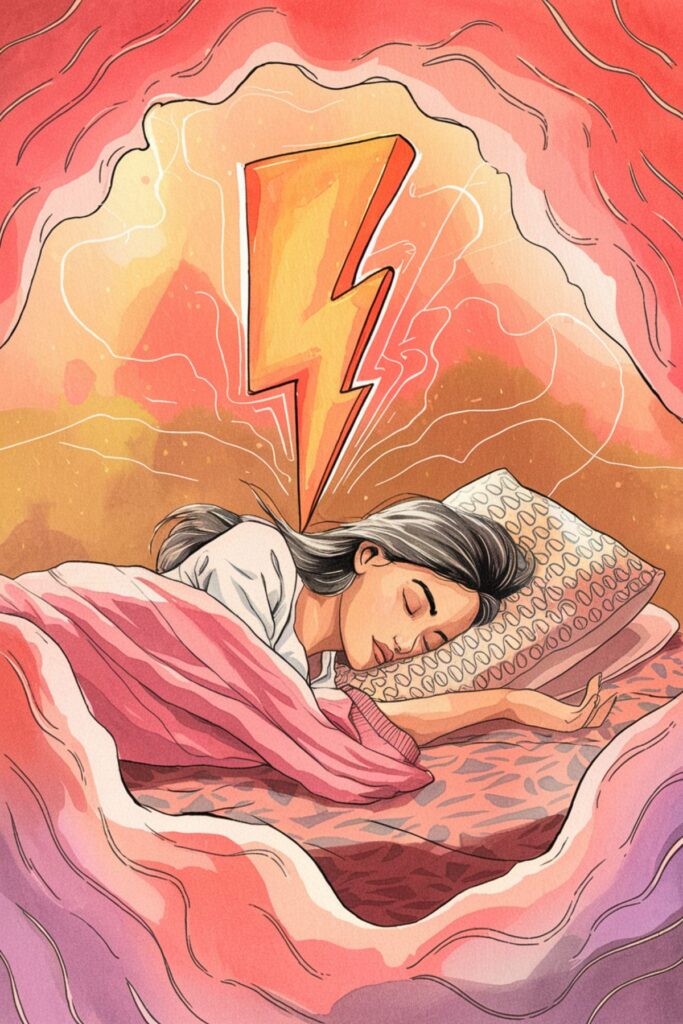
Here’s something wild: your body starts pumping out cortisol, your stress hormone, as early as 2-3 AM. By 3:30 AM, your cortisol levels have already risen by 50%. This is actually a natural process meant to slowly wake you up for the day, but if you’re already stressed, anxious, or running on empty, this surge hits way harder than it should, and boom: wide awake at 3.
The fix: You need to lower your baseline cortisol before you even get to bed. An evening wind-down ritual is non-negotiable. Try a calming magnesium glycinate supplement, which is specifically known to support deeper sleep and calm the nervous system. Pair it with a few minutes of slow, intentional breathing before you turn off the lights; these are some of the best tips to fall asleep faster and actually stay asleep longer. If falling asleep is also a struggle for you, we have a whole guide on how to quiet your mind at bedtime that’s worth bookmarking.
2. Your Blood Sugar Crashes in the Middle of the Night
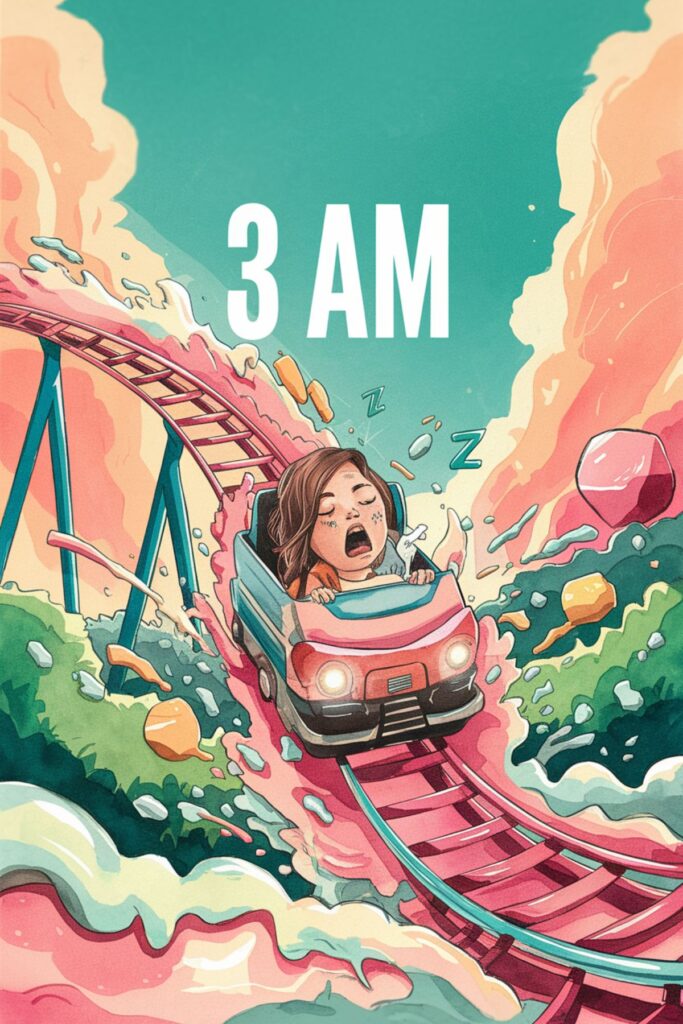
This is one of the most overlooked reasons, and it’s so sneaky. When you eat dinner early, skip a snack, or have a high-sugar dessert, your blood glucose can drop in the early morning hours. Your body then releases adrenaline to compensate, which quite literally jolts you awake. You might even wake up feeling shaky, anxious, or with your heart pounding and not understand why.
The fix: Have a small, balanced snack before bed that includes protein and healthy fat. Think a spoonful of almond butter, a few walnuts, or a small piece of cheese. This gives your body a slow, steady fuel source so your blood sugar doesn’t nosedive at 3 AM. What you eat and drink in the hours before bed matters more than most people think; if this reason resonates with you, this post on foods and supplements for better sleep goes really deep on it.
3. Your Liver Is Pulling an All-Nighter

Okay this one sounds a little out there, but stay with me. According to Traditional Chinese Medicine and its body clock, 1 AM to 3 AM is liver time; the window when your liver is most active, detoxifying your blood, processing emotions, and clearing toxins. If your liver is overloaded (think: late-night wine, processed foods, unresolved stress, or even just a lot of medication), it can literally disrupt your sleep during this exact window. What’s fascinating is that this lines up with what we know scientifically: the liver is busiest metabolizing substances during the night, and the rebound effect of alcohol wearing off spikes adrenaline around five hours after your last drink.
The fix: Give your liver a break at night. Cut off alcohol at least 4-5 hours before bed. Add a milk thistle supplement to your routine for liver support. And if you’re having a glass of wine, make it earlier in the evening, not right before you crash.
4. Your Bedroom Is Too Warm
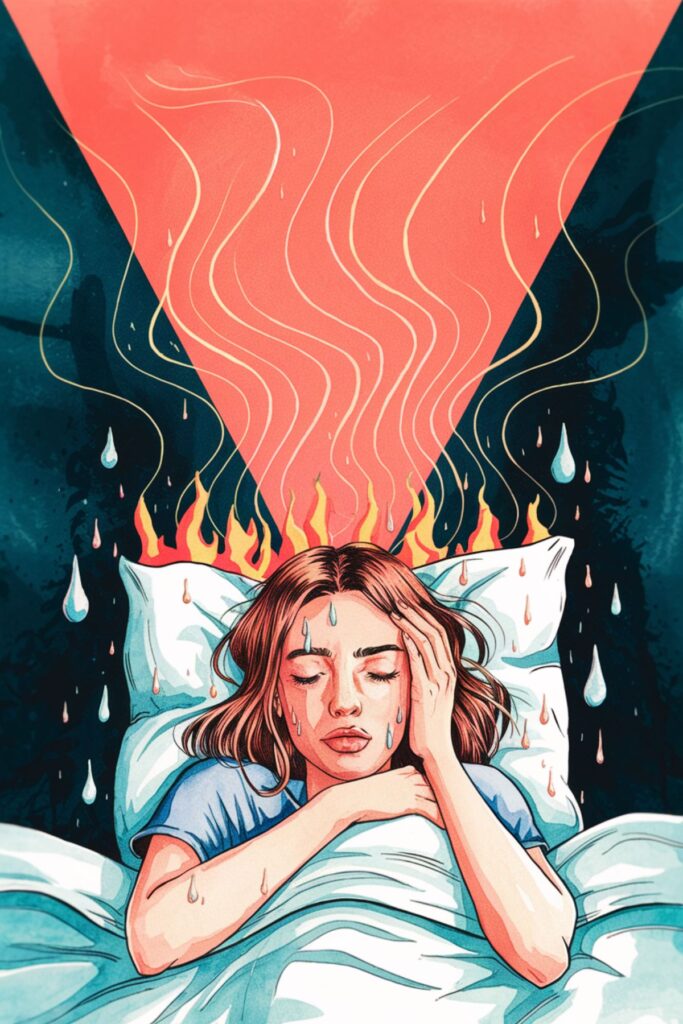
Your core body temperature reaches its absolute lowest point between 2 and 4 AM. This is a normal part of your sleep cycle, but it also means your body is incredibly sensitive to temperature during this window. If your room is even slightly too warm, your body can’t regulate properly and you wake up. Most people sleep with the thermostat way too high without realizing it.
The fix: The ideal sleep temperature is between 65-68°F. If you tend to sleep hot, a cooling mattress topper can be genuinely life-changing. Seriously; this is one of those purchases where people can’t believe they waited so long. Open a window before bed if the weather allows; cool, fresh air does double duty by also reducing allergens that can disrupt breathing.
5. Your Phone Sabotaged You Hours Ago (and You Can’t Sleep Because of It)
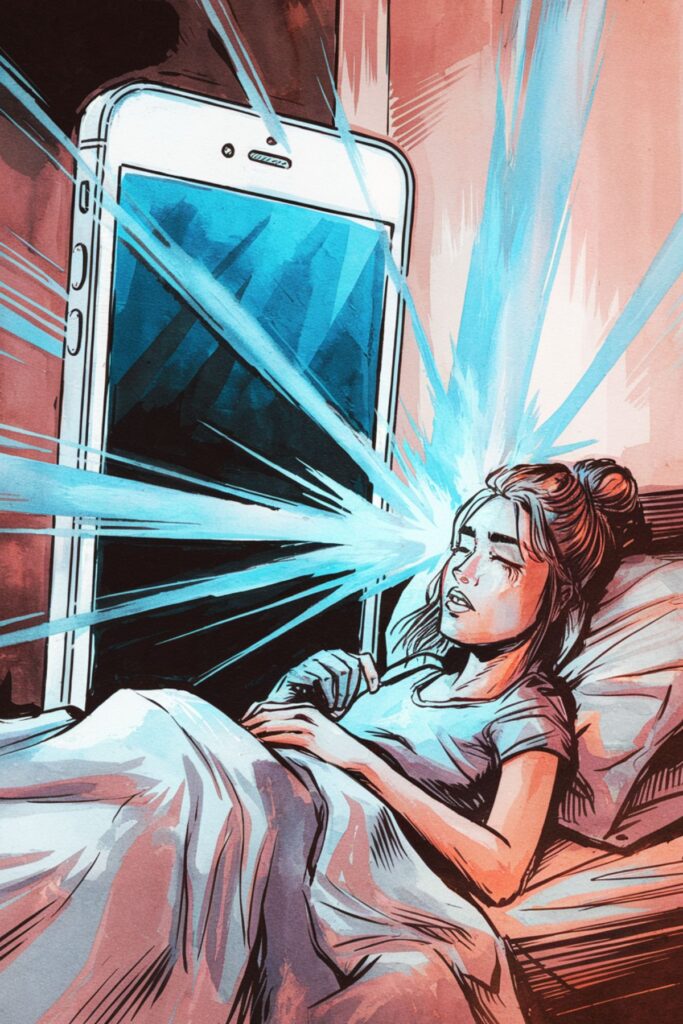
You put your phone down at 10 PM, so it’s not a problem, right? Wrong. The blue light from your screen suppresses melatonin production for hours after you stop scrolling. Even if you fall asleep fine, your melatonin levels are lower than they should be for the second half of the night; the light sleep phase, which is exactly when 3 AM hits. And if you wake up and check your phone even for a second, you reset the whole cycle, essentially telling your brain “it’s daytime now.”
The fix: Blue light blocking glasses worn in the 2-3 hours before bed make a surprising difference. Also: put your phone in another room. Not on silent. In. Another. Room. A sunrise alarm clock means you never need your phone in the bedroom again. And while you’re building better habits, these sleep hacks to fall asleep quickly are a great place to start.
6. You’re in the Lightest Sleep Phase and Falling Asleep Again Feels Impossible

Here’s the science that nobody talks about enough: the first half of the night is all deep, restorative sleep. But by the time 3 AM rolls around, you’ve shifted almost entirely into REM sleep, which is much lighter. This means any tiny disruption; a car outside, a shift in temperature, a dream that gets intense, is enough to pull you fully awake.
The fix: Since you can’t control your sleep stages, you have to control your environment. Think: blackout curtains, a white noise machine, and keeping pets off the bed (yes, we know this is controversial, but your dog adjusting their position at 3 AM is a classic wake-up trigger). A white noise machine is genuinely one of the best sleep investments you can make.
7. You’re Carrying Unprocessed Emotional Stress
This is one that most people brush off, but it’s huge. Anxiety and chronic stress directly mess with your cortisol rhythm at night. Stress activates your hypothalamic-pituitary-adrenal axis, which tells your adrenal glands to flood your body with cortisol when it should be resting. Basically, your nervous system never fully clocks out, and 3 AM becomes the moment it decides to process everything you ignored during the day.
The fix: Journaling before bed is one of the most evidence-backed tools for this; brain-dumping your to-do list and worries onto paper literally frees your brain from holding them. Try a dedicated sleep and anxiety journal designed specifically for this. Also try the 4-7-8 breathing method when you wake up: inhale for 4 counts, hold for 7, exhale for 8. If you want to know how to fall asleep quickly even when your brain won’t stop, this method is your new best friend; it activates your parasympathetic nervous system and signals safety almost immediately.
8. You’re Clock-Watching (And It’s Making Things Worse)

Every single time you wake up and look at the clock, you trigger a mental math spiral: Okay it’s 3:14, I have four hours left, if I fall asleep in the next ten minutes I can still get six hours, wait now it’s 3:17… This performance anxiety around sleep is a real thing, and it creates a feedback loop that makes waking up at 3 AM a habit your brain locks into. Your brain literally learns to wake up at 3 AM because it has done it so many times while you panicked about the time.
The fix: Turn your clock away from you. Or better yet, remove it from your bedroom entirely. If you’ve been using your phone as an alarm, that’s even more reason to swap it out for a proper sunrise alarm clock and move your phone out of the room. A few of the habits in this sleep routine post make this transition so much easier.
9. Your Gut Is More Disruptive Than You Think
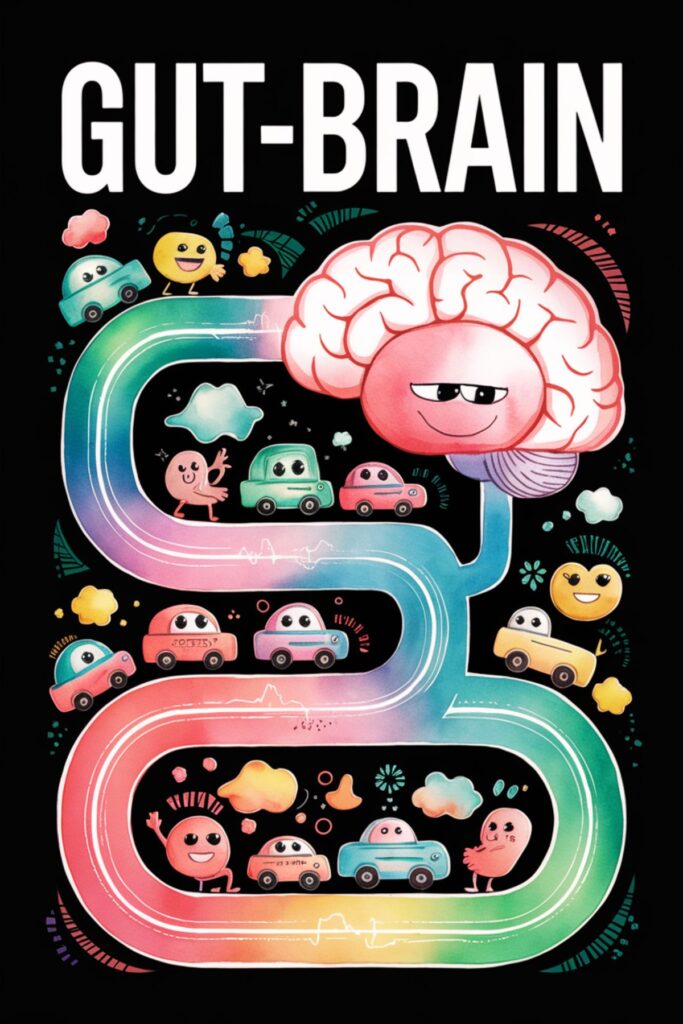
The gut-brain connection is real and it’s wild. Conditions like GERD (acid reflux) can cause discomfort that pulls you out of sleep, and the position most people sleep in makes reflux worse in the early morning hours when stomach acid is more likely to creep up. Beyond that, poor gut health affects serotonin production (95% of your serotonin is made in your gut), and serotonin is a direct precursor to melatonin. A disrupted gut microbiome can literally disrupt your melatonin production.
The fix: Stop eating at least 3 hours before bed; this alone can dramatically reduce nighttime GERD. If you’re prone to reflux, use a wedge pillow to elevate your head slightly. Adding a high-quality probiotic to your routine supports gut health and, indirectly, better sleep over time.
10. Your Sleep Debt Is Actually the Problem
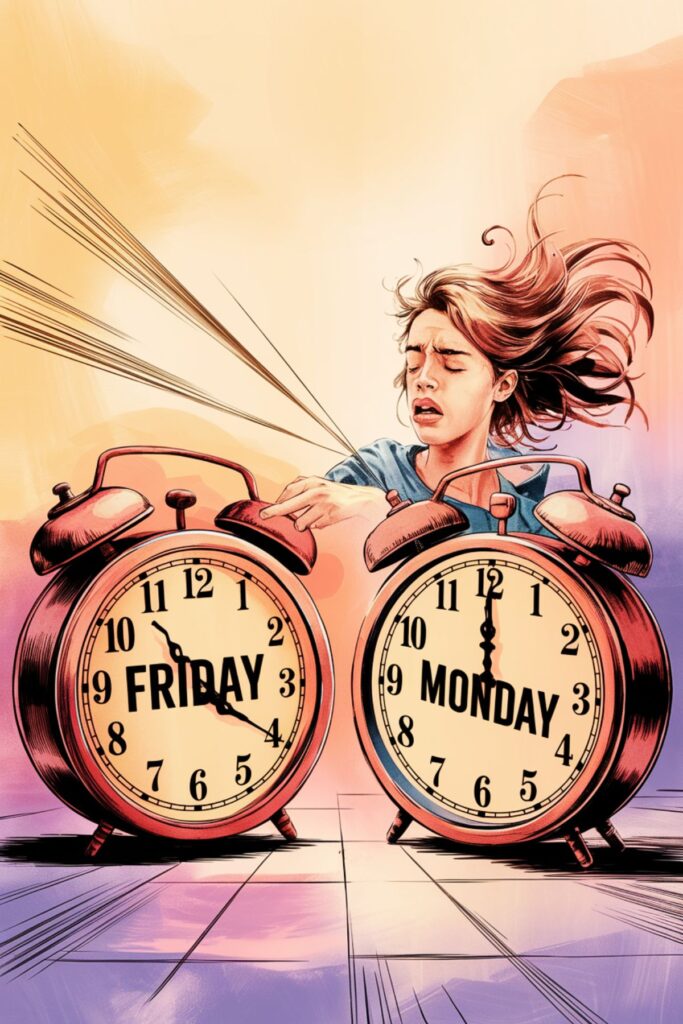
Here’s a counterintuitive one: sometimes you wake up at 3 AM simply because you went to bed too early. If you’ve been sleep-deprived all week and you crash at 9 PM on Friday, your body may have actually completed its core sleep need by 3 AM, and it just… wakes up. Sleeping in on weekends also constantly shifts your circadian rhythm, creating what sleep scientists call “social jet lag,” making it impossible for your body to know when it’s actually supposed to be awake.
The fix: Building a consistent sleep routine is probably the single most powerful thing you can do for sleep quality, and the most important part of that routine is keeping your wake time the same every single day, even on weekends. It sounds brutal but it works fast. Pair it with getting outside for natural light within 30 minutes of waking; this anchors your circadian rhythm and makes your sleep timing more predictable across the whole night.
One More Thing: What NOT to Do at 3 AM
When you wake up, do not:
- Check your phone (even for one second)
- Watch the clock
- Force yourself to lie in bed frustrated for more than 20 minutes; if you can’t fall back asleep, get up and do something quiet and low-light like reading a physical book until you feel sleepy again
- Turn on bright lights
Instead, try cognitive shuffling: a technique where you randomly imagine a series of unrelated, silly images (a banana, a red balloon, a flamingo in a library). This mimics the random imagery of pre-sleep and tricks your brain out of anxious thought loops. These are the kinds of small shifts that help you fall asleep fast and even fall back asleep almost instantly when that 3 AM wake-up hits.
The 3 AM wake-up is your body communicating something, and now you can actually listen. Once you understand how to sleep in a way that works with your body instead of against it, better sleep stops feeling like a fantasy. Start with the two or three reasons that feel most “you,” make one change this week, and track the difference.
More Tips For Better Sleep
Not sure where your sleep issues are really coming from? Start here:
❓ Can’t Sleep? Take This Quiz to Find Out What Your Nights Are Missing
❓ The Bedtime Drink Quiz That Will Finally Help You Fall Asleep Fast
➡️ 10 Sleep Hacks That Work Better Than Melatonin
➡️ Sleep Better Tonight: The Best Supplements, Foods & Drinks That Aren’t Melatonin
➡️ How to Fall Asleep Fast When Your Mind Won’t Shut Up
➡️ 7 Surprising Things a Dream Catcher Can Do For Your Life (Beyond Just Nightmares)
Save this pin!