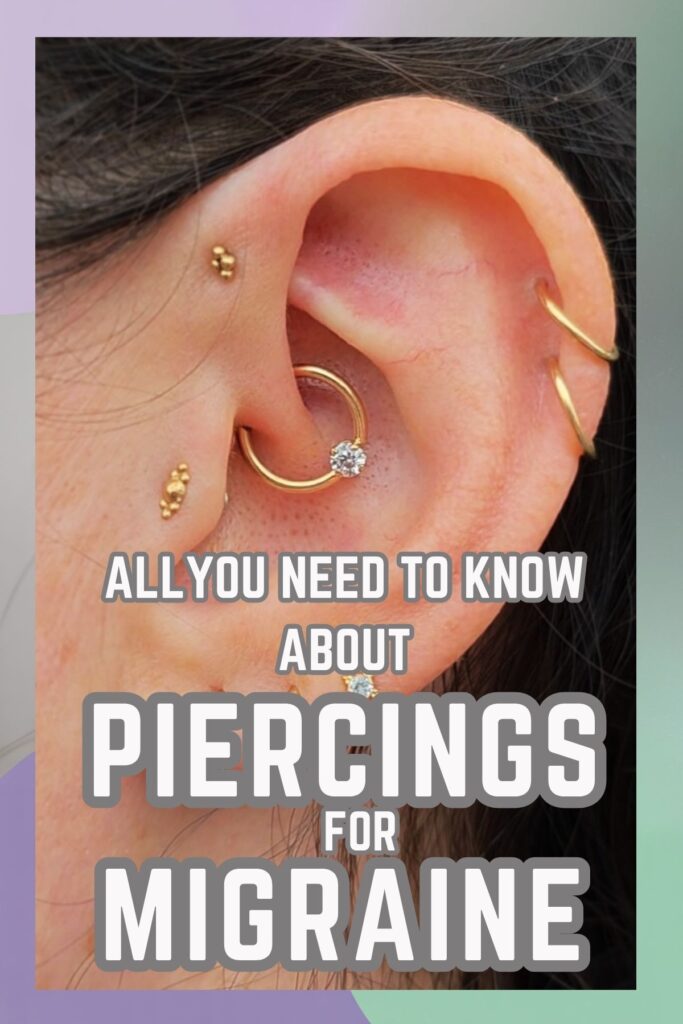
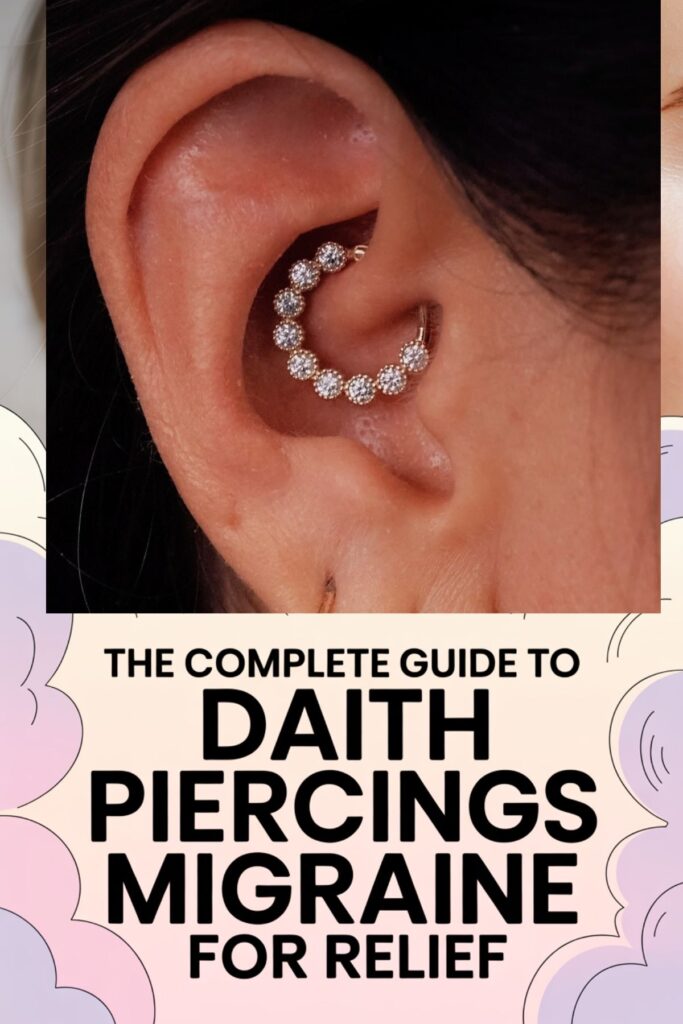
Does the Daith Piercing Actually Work for Migraine Relief? The Complete Guide
You’ve tried everything. The dark room, the ice pack, the ibuprofen, the crying. And then someone says: have you tried a tiny ear piercing? If you’ve been chasing migraine relief and landed on the daith piercing as a potential answer, you’re in the right place.
This post covers everything — what it is, why it might actually work, what the science says, and which jewelry styles are worth getting excited about.
Is this for you? You might want to try the daith piercing if:
- You experience frequent migraines and feel like you’ve tried everything
- You’re curious about acupuncture or pressure point therapy but want something more permanent
- You want a wellness solution that also happens to look really pretty
Let’s get into it.
What Is a Daith Piercing, Exactly?
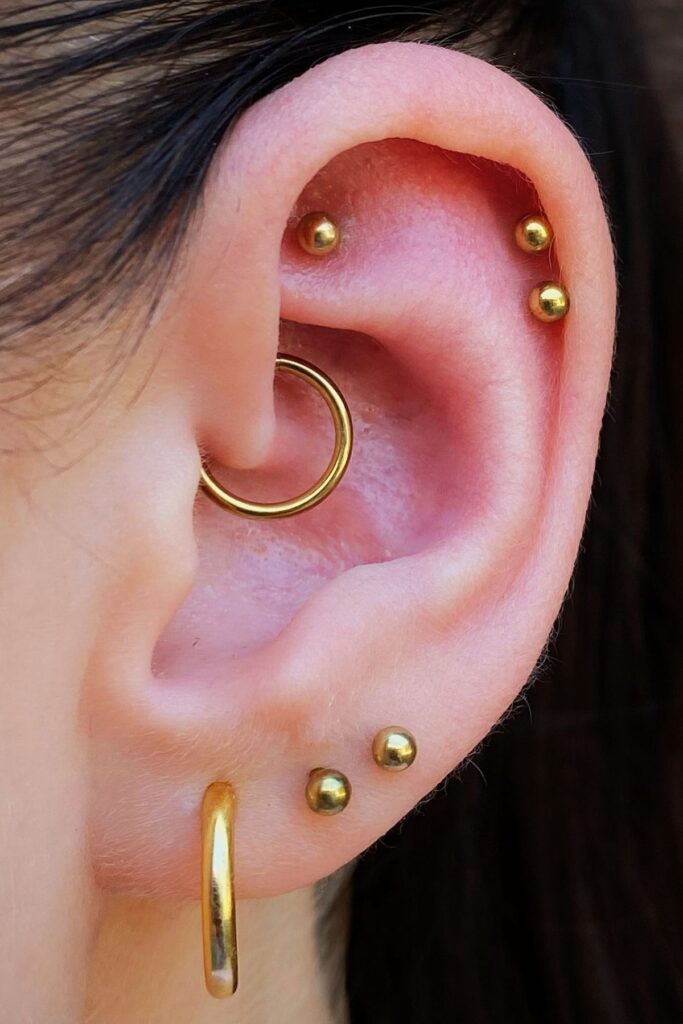
The daith (pronounced “doth,” rhyming with “moth”) is the small fold of cartilage located just above the ear canal — that innermost ridge that curls inward. A daith piercing goes directly through this little flap of cartilage, sitting snugly in the inner ear. It’s intimate, delicate, and honestly one of the prettier ear piercings out there.
It’s not a new piercing by any means, but it exploded in popularity when people started connecting it to migraine relief, and it’s been buzzing in wellness circles ever since.
Because of its location, the daith sits right at a pressure point that has been used in acupuncture for centuries — and that connection is exactly where the whole migraine theory comes from.
Why Do Migraines Happen in the First Place?

Before we talk about the piercing, it helps to understand what’s actually going on during a migraine. A migraine isn’t just a really bad headache — it’s a full neurological event, and your body is going through a lot. If you want a deeper look at the different types of headaches and what’s behind each one, that’s a great rabbit hole to go down. But here’s the short version:
During a migraine, your brain’s trigeminal nerve — one of the largest nerves in your head — gets activated and starts releasing inflammatory substances around the blood vessels in your brain. This triggers a whole cascade: blood vessels dilate, pain signals fire intensely, and you’re hit with that throbbing, debilitating pain that can last anywhere from a few hours to several brutal days.
Common migraine triggers include:
- Hormonal fluctuations (especially around your period — if that’s a pattern for you, this guide on period cramp relief covers a lot of the hormone piece too)
- Stress and tension — emotional or physical
- Sleep disruption — too much or too little
- Certain foods and drinks — aged cheeses, alcohol, caffeine changes, processed foods
- Sensory overload — bright lights, loud sounds, strong smells
- Dehydration
- Weather and barometric pressure shifts
- Screen time and eye strain
Migraines can also come with an aura — visual disturbances like zigzag lines, flashing lights, or temporary blind spots that signal a migraine is on its way. Some people experience aura without the headache itself, which can be equally disorienting.
The Daith Piercing and Migraines: What’s the Theory?
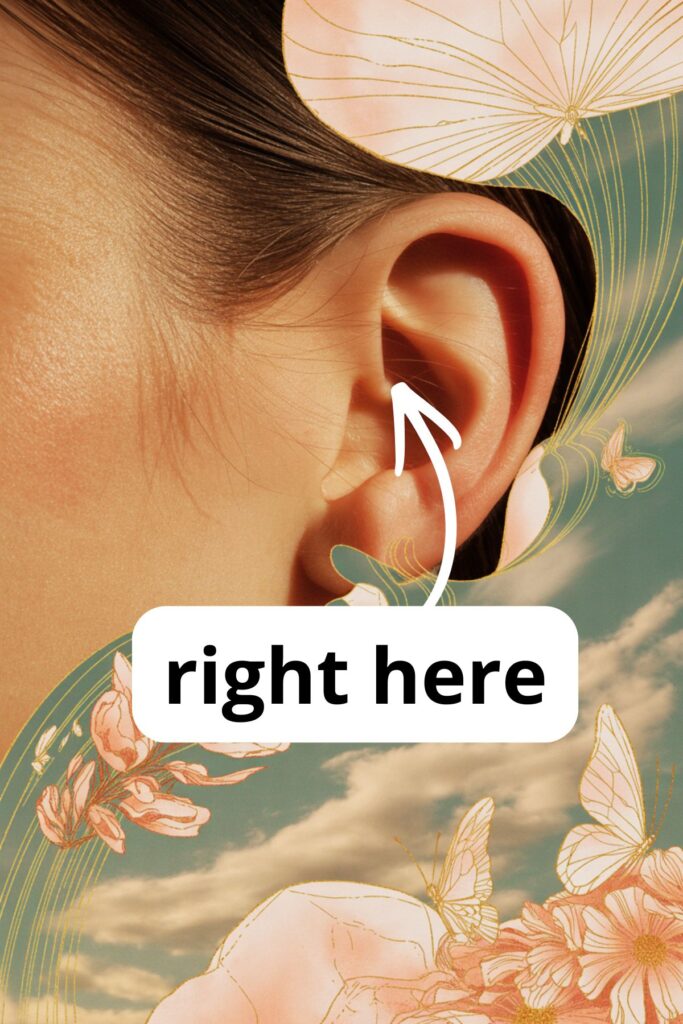
Here’s where it gets interesting. The connection between daith piercings and migraine relief is rooted in acupuncture. In traditional practice, there are specific pressure points in the ear — a whole field called auriculotherapy, or ear acupuncture — that are believed to correspond to different organs and systems in the body, including points linked to the vagus nerve and digestive system, both of which play a role in migraine onset.
The spot where the daith sits corresponds to a pressure point that acupuncturists sometimes stimulate specifically for headaches and migraines (you can also read this other post if you are interested in knowing other pressure points for headaches).
The theory is that having a permanent piercing there creates continuous, low-level stimulation of that point — essentially a tiny, always-on acupressure treatment living in your ear. Kind of genius, honestly.
There’s also a vagus nerve angle worth noting. The vagus nerve runs through the ear, and stimulating it has been explored as a legitimate migraine treatment in medical research. The daith’s location places it right in that neighborhood.
What Does the Science Actually Say?
Let’s be real with each other here, because you deserve the honest answer: the scientific evidence is limited but genuinely intriguing. There are no large-scale clinical trials confirming that daith piercings reduce migraines. What we do have:
- A huge volume of anecdotal reports — the number of people who swear by this is hard to dismiss, even if it’s not a double-blind study
- Small case studies noting significant improvement in people with chronic migraines after getting the piercing
- The placebo effect — which, by the way, is neurologically real. If your brain believes relief is coming, it can actually produce it. That’s not a con, that’s your mind being powerful
- Acupuncture research, which has a stronger evidence base and supports the broader idea that stimulating ear pressure points can influence pain
The honest bottom line: no one can promise it’ll work for you. But given how many people with chronic migraines report life-changing results, it’s absolutely worth understanding before you decide.
Daith Piercing vs. Other Migraine Pressure Points
The daith isn’t the only pressure point approach to migraine relief. Acupressure techniques and other natural headache remedies are worth having in your toolkit too. But what makes the daith unique is that unlike pressing a point with your fingers for a few minutes, the piercing is always there — which is exactly the appeal.
Does It Matter Which Ear?

Yes, and this is one people often forget to ask about. Most acupuncturists recommend getting the daith on the same side as where your migraines tend to originate. If your migraines are bilateral (both sides), many people choose their dominant side or the side that feels most affected. It’s worth talking to a knowledgeable piercer or an acupuncturist before you book your appointment.
What to Expect When Getting a Daith Piercing
Getting a daith is more involved than a standard lobe piercing because it goes through thick cartilage. Here’s what the experience typically looks like:
- Pain level: Moderate. It’s a sharp pressure rather than a sting — quick, but you feel it. Most people say it’s very manageable, especially with a calm, experienced piercer.
- Healing time: 6–12 months. Cartilage heals slowly, and the daith in particular needs extra patience because of how snug its location is.
- Aftercare: Clean twice daily with a sterile saline solution. Don’t touch it with unwashed hands, don’t twist or rotate the jewelry, sleep on the opposite side, and avoid pools or hot tubs until fully healed.
- Cost: Typically $40–$80 for the piercing at a reputable studio, plus jewelry.
And please, please go to a professional. An APP-certified (Association of Professional Piercers) studio uses sterile equipment, proper technique, and implant-grade materials. Your ear and your health are worth it.
I’ll tell you a quick story. Years ago, I got my nose pierced at a fair. Yes. A fair. I will not tell you what I paid, but it was under $10, and I still cannot believe I did that. It didn’t get infected — somehow — and technically it was okay, but I almost fainted on the spot. I genuinely don’t know if it was the pain, the environment, or the fact that whoever was holding that needle had probably never taken a proper piercing course in their life. Could have been all three. The point is: don’t be me. When it comes to cartilage piercings especially, a proper studio with a trained professional is completely non-negotiable.
The Best Daith Piercing Jewelry Styles
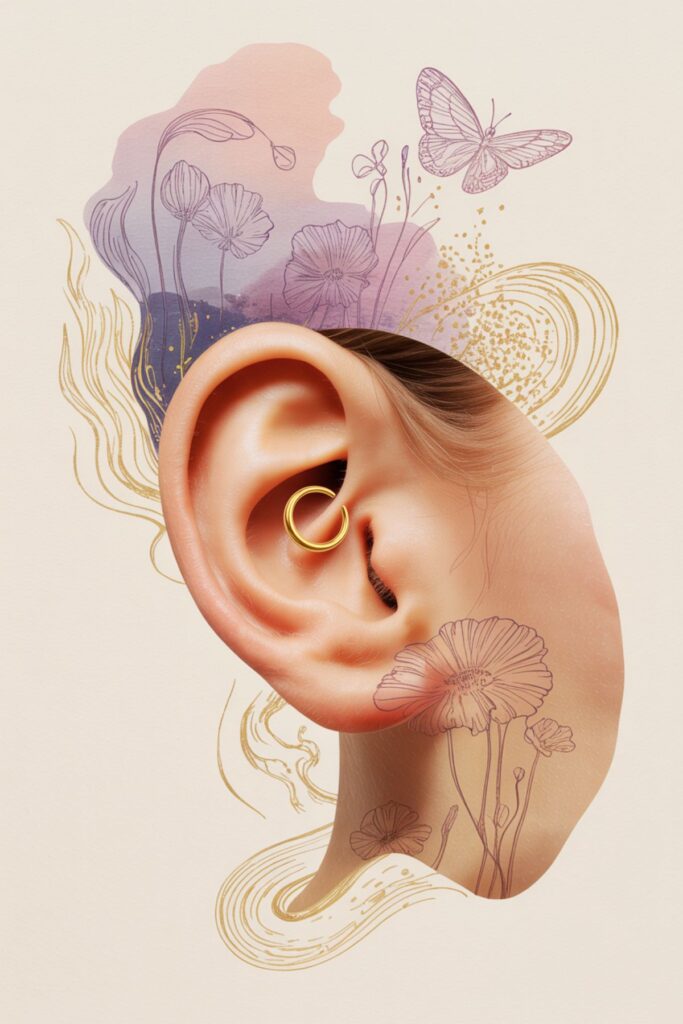
Once healed — or once you’re ready to switch things up after that initial period — the options are genuinely beautiful. The daith’s curved inner location means certain styles look absolutely stunning nestled in there. Here are the ones worth knowing about.
Seamless Clicker Rings
The most popular choice for daith piercings, and for good reason. Clicker rings have a hinged segment that clicks open and shut, making them easy to put in and take out without fumbling around. They come in simple metals, with gemstones, or in ornate detailed designs that look like actual fine jewelry. The kind of thing people notice at brunch and immediately ask about. You can find gorgeous clicker rings here.
Curved Barbells
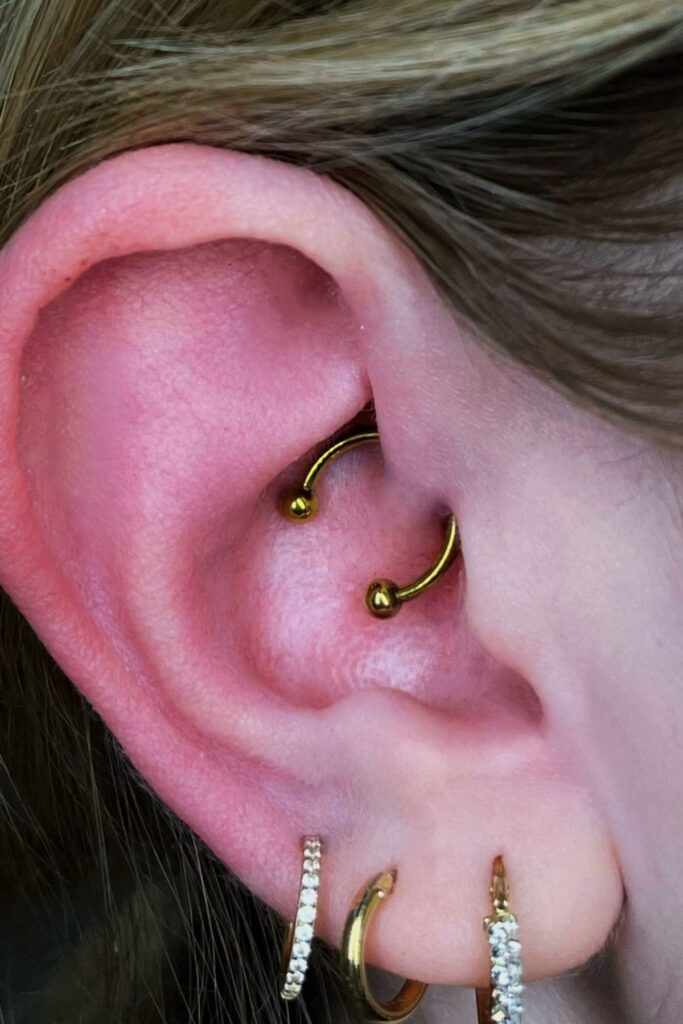
Sleek, simple, and great for the healing phase. A curved barbell follows the natural shape of the daith and is often what professional piercers recommend as your starter jewelry. Not the flashiest option, but a really solid foundation. Shop curved barbells for daith piercings here.
Heart-Shaped Rings
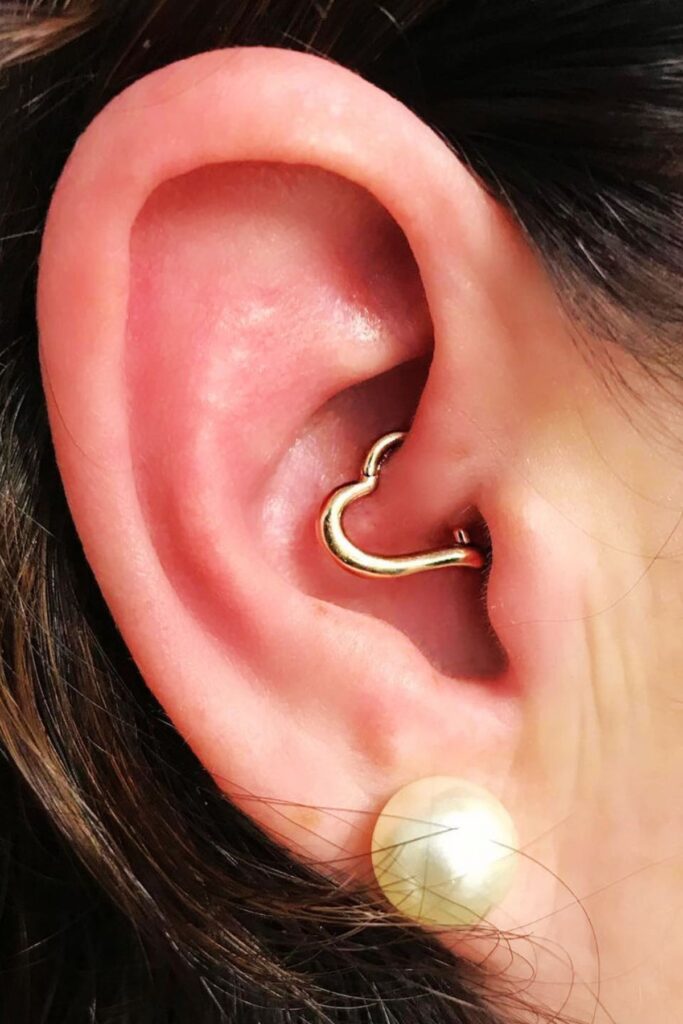
Iconic. A small heart ring sitting in that inner cartilage fold looks like it was designed specifically for that spot — it just fits perfectly, visually and physically. Delicate, a little romantic, and the kind of piercing that makes people say wait, is that a heart? Yes. Yes it is. Find heart daith rings here.
Gemstone and Floral Clickers
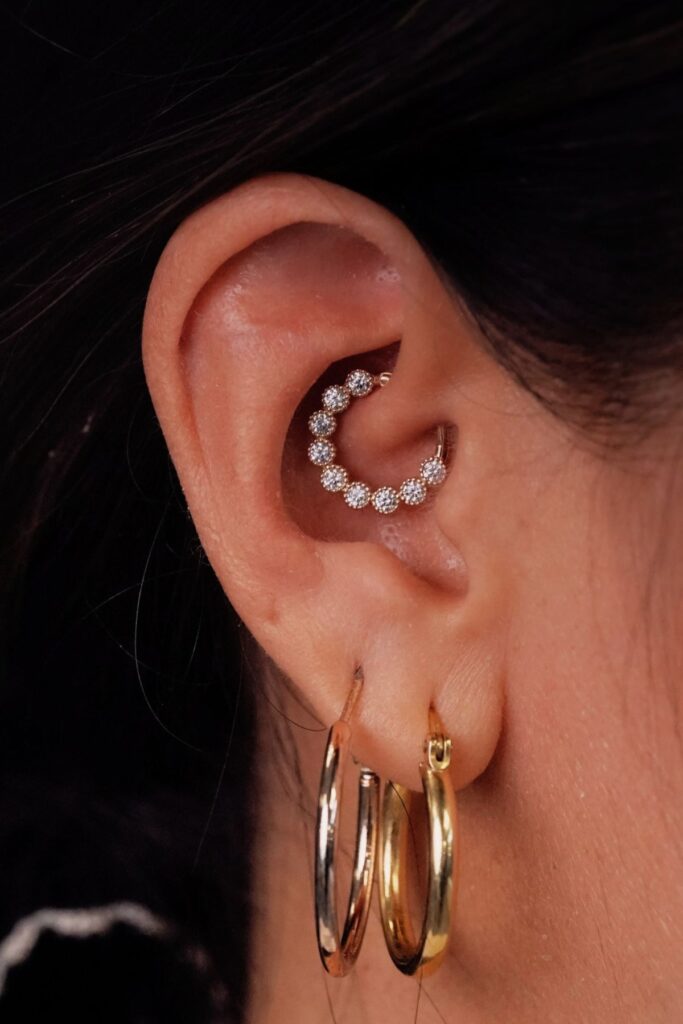
For a real jewelry moment. Ornate clickers with opal, CZ stones, or floral designs make the daith look elevated and intentional — less “I got a piercing” and more “I curated this ear.” These photograph beautifully and are perfect if you love a styled ear stack shot. Browse decorative daith clickers here.
Ear Cuffs (for the Curious but Uncommitted)
Not ready to commit to a needle? Daith-style ear cuffs that mimic the look exist — no piercing required. They won’t carry any potential migraine benefits, but they’re a fun way to try the vibe before you decide. Think of it as a test drive. Find daith-style ear cuffs here.
What to look for in materials: Implant-grade titanium, solid 14k or 18k gold, or implant-grade stainless steel. Avoid mystery metals or anything plated, especially while healing.
What to Do If the Piercing Doesn’t Help
The daith doesn’t work for everyone, and that’s okay. It was never meant to be your only strategy. If you’ve tried it and migraines are still showing up uninvited, there’s a whole toolkit worth building out. A full guide to migraine relief strategies — from diet and pressure points to instant at-home remedies is a great place to start personalizing your approach.
Some people find that combining the daith with other lifestyle shifts — managing triggers, improving sleep, reducing inflammatory foods, adding magnesium — creates a compounding effect that the piercing alone couldn’t achieve. It’s rarely one thing. It’s usually a combination of small changes that finally tips the balance.
Is the Daith Piercing Worth It?
If you experience frequent migraines and conventional approaches haven’t given you the relief you’re looking for, the daith is a genuinely low-risk, relatively affordable option to consider. It’s not a medical treatment, it won’t work for everyone, and it’s not a substitute for working with a neurologist if your migraines are severe or frequent. But as a complementary wellness choice with a real and passionate following? The worst-case scenario is you end up with a really beautiful ear piercing. There are worse outcomes.
More About How to Get Rid of Headaches
There’s a lot more you can do to find real, lasting relief — whether you’re dealing with migraines, tension headaches, or just the occasional bad one. Check out these posts:
- How to Get Rid of a Headache: 12 Natural Remedies for Fast Headache Relief
- The Different Types of Headaches And The Relief For Each
- The Ultimate Guide to Migraine Relief (And How to Get Rid of One Fast)
- Essential Oils for Headaches: The Natural Headache Remedies That Actually Work
- Pressure Points for Headaches: The Complete Guide to Natural Headache Relief
Save this pin if you are considering getting a daith earring to relieve your migraines!