Which Oil Should You Be Oil Pulling With? (Based on Your Problem)
Most people who have heard of oil pulling think of oil pulling with coconut oil, and that’s it. One oil, one use, end of story. But there are several oils you can pull with, and each one does something different. The right oil depends entirely on what your body is dealing with right now.
Oil pulling is an ancient Ayurvedic practice that’s been around for over 3,000 years.
You swish a tablespoon of oil through your teeth and gums for several minutes, the oil attracts bacteria and toxins like a magnet, and you spit it all out. You could say it’s the original detox mouthwash, except it works at the root level instead of just covering things up with mint flavor.
When I first learned about oil pulling in a yoga community, I only knew about coconut oil. Most people do. This post is here to change that, because once you match the right oil to your specific problem, the results are in a completely different league.
Find your problem below. Get your oil. You’re done.
How to Do Oil Pulling the Right Way
Before we get into the oils, here’s the exact method. Many people do this slightly wrong and wonder why nothing changes.
- Do it first thing in the morning — before eating, drinking, or brushing your teeth
- Take one tablespoon of your oil
- Swish slowly through your teeth and around your gums — no gargling, and do not swallow
- Keep going for 10 to 20 minutes (start with 5 if 20 sounds like a lot — you’ll build up)
- Spit into the trash, not the sink — it will clog your pipes over time
- Rinse with warm salt water before you brush
- Then brush as normal
That salt water rinse is the step most people skip. Don’t. It flushes out everything the oil just pulled loose, and it makes a real difference to how clean your mouth feels afterward.
For Whiter Teeth: Coconut Oil (With a Booster Trick)

The teeth whitening effect from coconut oil pulling is real. The lauric acid in coconut oil breaks down surface stains and the bacteria responsible for yellowing, gradually but consistently. It’s not instant like a bleaching strip, but after two to three weeks of daily pulling, the difference shows up.
Want to speed it up? Try this oil pulling recipe:
- 1 tablespoon coconut oil
- 1 tiny pinch of food-grade activated charcoal
Swish as normal. It looks alarming in your mouth. It works. Find activated charcoal powder for teeth whitening online and keep a small jar in your bathroom.
After your pull, finish with this homemade teeth whitening paste:
- 1 teaspoon baking soda
- A few drops of coconut oil
- 1 drop peppermint essential oil
That’s your complete natural teeth whitening DIY routine. No strips. No harsh chemicals. No dentist bill.
➡️If you are looking for more whitening tips check out my post with 10 teeth whitening effective methods. Some are easier, some work faster, some make a huge difference!
For Bad Breath That Won’t Quit: Sesame Oil (or Coconut + Tea Tree)

Bad breath that keeps coming back is almost always a bacteria problem, not a hygiene problem. And this is exactly where oil pulling benefits shine the most.
Oil is lipid-based. So are bacterial cell membranes. The oil literally attracts and traps the bacteria that a regular rinse just swishes around.
For stubborn bad breath, you have two options:
- Option 1: Pure sesame oil — the original Ayurvedic recommendation, and the deepest-acting bad breath remedy on this list
- Option 2: 1 tablespoon coconut oil + 1 drop food-grade tea tree oil — tea tree targets the bacteria at the back of the tongue that cause that persistent smell no mint ever reaches
Use this consistently for two weeks and you’ll understand why people call it one of the most effective ways to get rid of bad breath permanently. Food-grade tea tree oil is easy to findj. Just make sure it’s food-safe before using it in your mouth.
For Swollen, Bleeding, or Infected Gums: Neem Oil
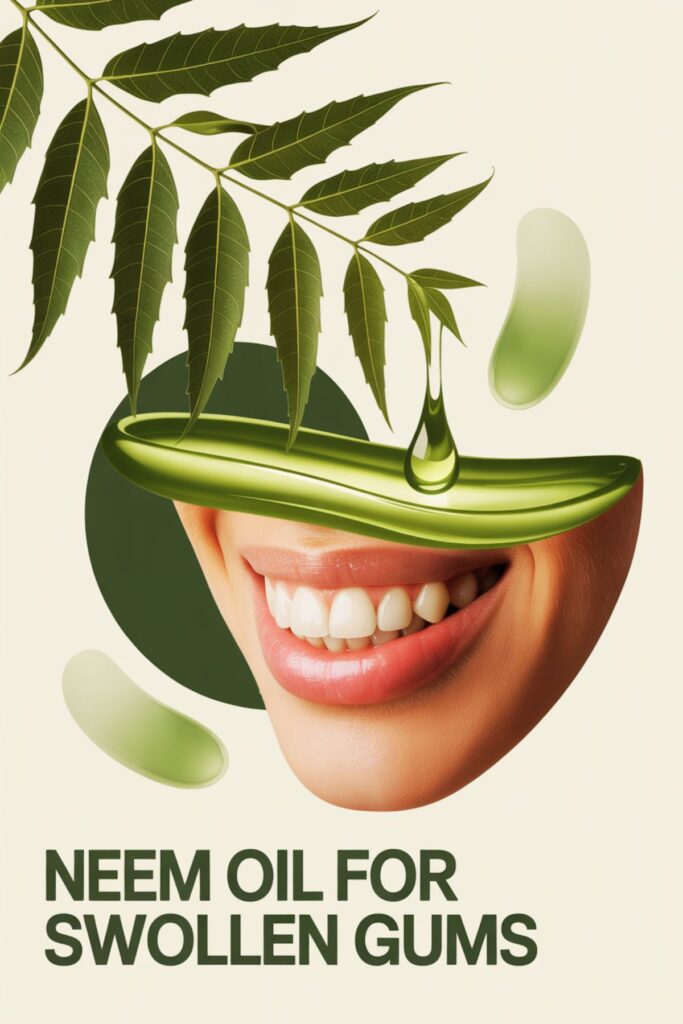
Swollen gums. Gums that bleed when you brush. That deep tenderness along the gum line that won’t go away. These are signs that bacteria have settled in, and this is where neem oil operates on a completely different level than everything else on this list.
Neem has been used in Ayurvedic dentistry for centuries specifically because of its intense antibacterial and antifungal properties. It targets the bacteria behind gingivitis more aggressively than any other oil here.
The catch: neem tastes intensely bitter. The fix is simple.
Make this blend and keep it in a small jar:
- ¾ tablespoon coconut oil
- ¼ tablespoon neem oil
Stir before each use. Swish the full blend for 15 to 20 minutes. Do this every day for 30 days. Most people notice reduced gum sensitivity and less bleeding within the first two weeks.
Make sure you’re buying food-grade neem oil — not the kind sold for plants. That part matters.
For Acne-Prone Skin (Face, Chin, Chest, or Back): Coconut Oil + Clove
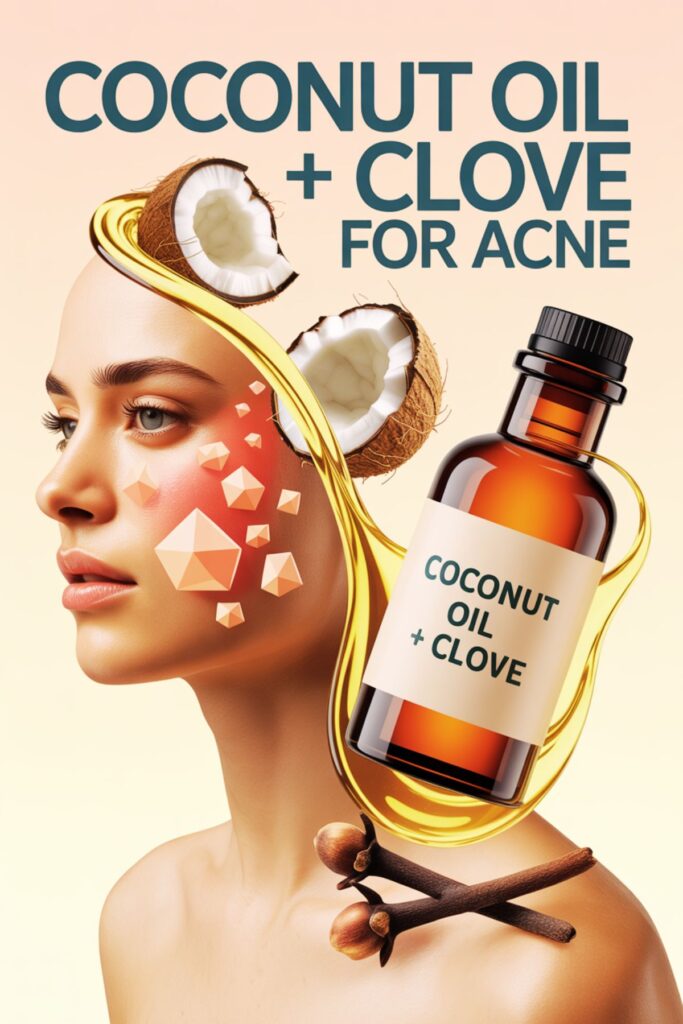
This is the one that surprises people most. How does swishing oil in your mouth affect your skin?
Here’s the thing most acne tips skip completely: your mouth carries one of the highest bacterial loads in your entire body. That bacteria drives systemic inflammation. Systemic inflammation shows up on your skin — as hormonal acne, chin breakouts, chest acne, back acne. Oil pulling removes a root-cause driver that your whole skincare routine is working around rather than addressing.
For skin-focused pulling:
- 1 tablespoon coconut oil
- 1 drop clove essential oil — specifically antimicrobial against the bacteria linked to inflammatory acne
This is also what people mean when they talk about oil pulling face benefits — that gradual lifting of puffiness and dullness that starts to show up after consistent use. Clove essential oil is inexpensive and one bottle lasts a very long time.
Worth noting: if your skin is sending persistent signals, your body might be trying to tell you something deeper. The same way hair problems can point to internal imbalances, recurring acne is often worth looking at from the inside out — not just topically.
For Dry Mouth or Sensitive Gums: Sunflower Oil
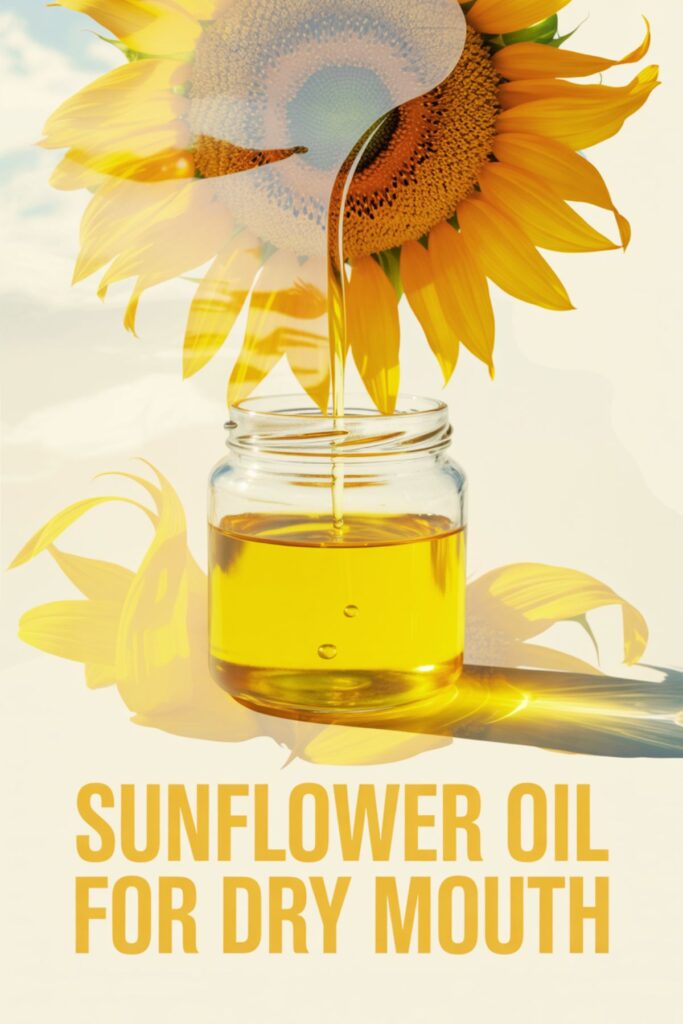
Sunflower oil is the most underrated pick on this entire list.
- Mildest flavor of all the oils — the most beginner-friendly by far
- High in vitamin E, which nourishes and seals gum tissue
- Anti-inflammatory without being harsh
- Best dry mouth remedy for people who find coconut oil too drying
If you’re new to oil pulling and the idea of swishing something oily in your mouth first thing in the morning fills you with dread — start here. Cold-pressed sunflower oil is where you build the habit before you branch out.
One tablespoon. 10 to 15 minutes. Salt water rinse. That’s it.
For a Full-Body Detox Pull: Sesame Oil

If you’re doing oil pulling as part of a broader wellness routine and not just targeting one specific thing, sesame oil is what the original Ayurvedic texts actually call for. There’s a reason it’s been the default for thousands of years.
It has the widest spectrum of action:
- Antibacterial and antifungal
- Antioxidant-rich — supports overall cellular health
- Anti-inflammatory at a systemic level
- Contains compounds that support liver function
One important note: use cold-pressed, unrefined sesame oil — the light kind. Not the dark toasted version you use for cooking. Slightly warm the oil before swishing; roll the jar between your palms for 30 seconds or set it in warm water briefly. Cold-pressed sesame oil food grade is what you’re looking for.
The One Add-On That Works With Every Single Oil
Whatever oil you choose, add one drop of peppermint essential oil to your tablespoon before swishing. Just one drop.
It makes the whole experience dramatically more pleasant. It adds an extra layer of antibacterial action. And most importantly — it means you’ll actually stick with the habit long enough to see results. Peppermint essential oil is cheap, lasts forever, and completely changes the morning experience of oil pulling.
Results are the whole point. You have to get there first.
If You’re Brand New to This: Start Here
Don’t overthink it for the first two weeks.
Start with plain coconut oil. It’s the easiest to find, the mildest in taste, the gentlest on your system, and the oil pulling benefits of coconut oil are the most documented of all the options. Build the habit first. Come back to this post after two consistent weeks and switch to the oil that matches your specific problem.
The non-negotiable basics:
- One tablespoon
- Every morning
- Before anything else
- Spit in the trash
- Rinse with salt water
That’s the whole oil pulling recipe. Everything else is optimization.
More Natural Remedies Worth Bookmarking
If you’re the kind of person who likes to get to the actual root of things rather than masking symptoms, there’s a lot more to explore. Your body sends signals through headaches, through your hair, through your gut — and most of those signals have natural, surprisingly effective answers.
- How to Get White Teeth at Home: 10 Natural Teeth Whitening DIYs That Actually Deliver
- How to Get Rid of a Headache: 12 Natural Remedies for Fast Headache Relief
- The Different Types of Headaches and the Relief for Each
- 8 Hair Problems Your Body Is Using to Send You a Message
- Why Is Your Hair Falling Out? Take This Free Quiz to Find Out
- How to Get Rid of a Bloated Belly Fast (Including a Thai Massage Secret Most People Have Never Heard Of)
Save this pin!